Stay ahead of the latest market and supply forecasts with MarketPULSE.
It’s been a devastating start to the year with recent fires and floods across the country. While it’s too early to tell whether these natural disasters will push prices up or affect supply, it is something to watch closely in the coming months.
Beef.
Australian beef exports reached record highs in 2025, totalling 1.545 million tonnes, with record volumes shipped to key markets, including the US and South Korea. The primary drivers behind these results were elevated beef production levels, supported by heavier carcase weights. In addition, the US cattle herd is at 70‑year low due to prolonged drought conditions, which has increased demand for Australian beef and strengthened popularity in global markets. Domestically, this has resulted in slightly elevated pricing, although supply remains relatively consistent.
Beef manufacturing prices are surging, with very limited availability of A (budget) grade beef at present. The Christmas production shutdown reduced the overall volume of beef in the market, with reopening dates for several production facilities dependent on weather conditions. Supply levels are expected to return closer to normal from late January at the earliest.
Lamb.
Many producers did not utilise the holiday period for annual shutdowns and maintenance, following the low production levels experienced across 2025. Lamb production during summer has been more consistent compared to spring, although volumes eased slightly in December. Industry experts expect January production and pricing to remain relatively stable.
Pork.
Pork priced remain largely stable, with current pricing sitting at historically high levels. Product is steady, and shortages in chilled pork are considered unlikely. Some growth in domestic volumes has been observed: however, export volumes remain modest relative to domestic consumption.
Poulty.
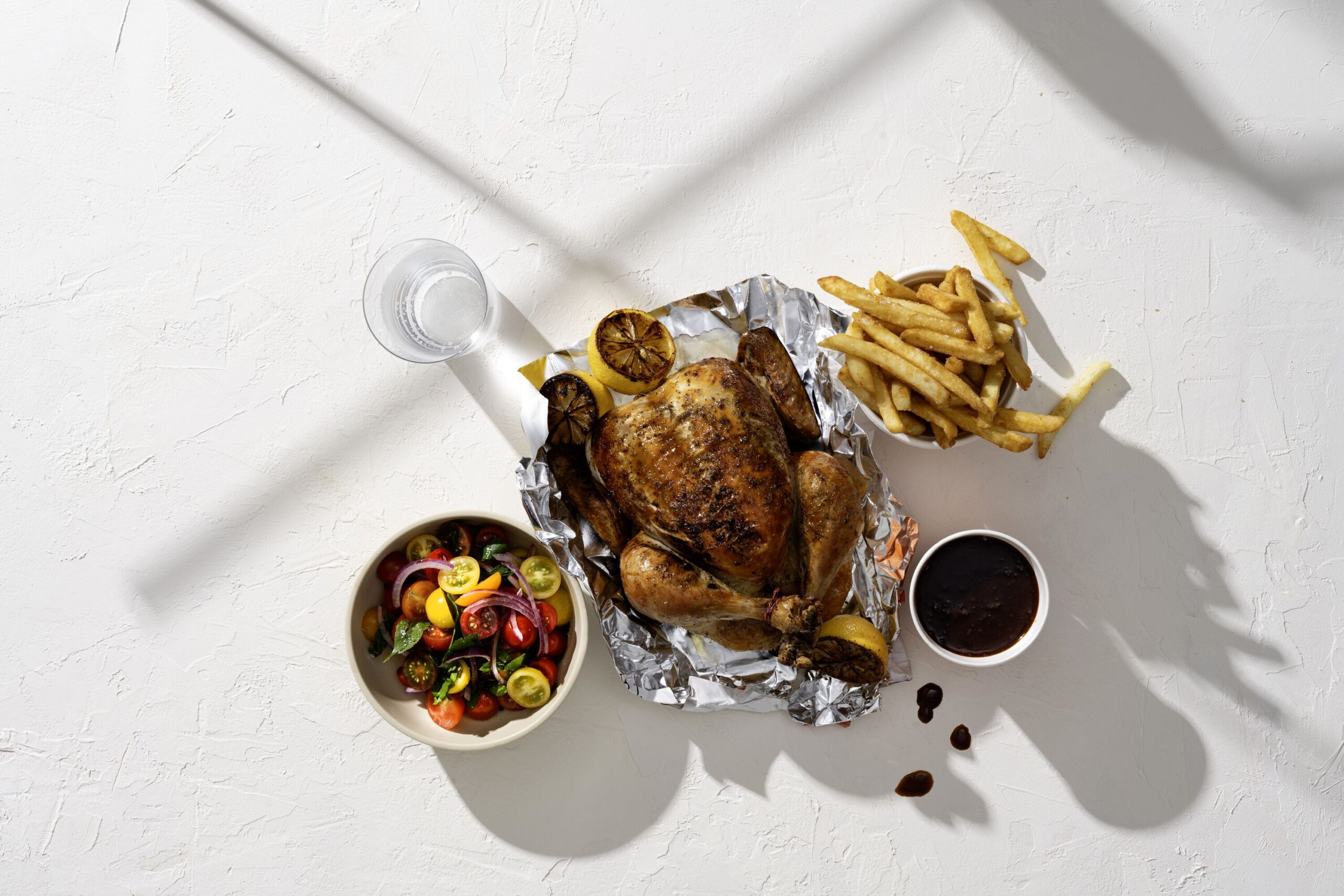
Chicken demand has increased recently, consistent with seasonal trends. Producers are currently facing supply constraints, resulting in shortages across parts of the market, particularly in back‑end cuts such as thighs and wings. At present, pricing has remained stable, with producers balancing supply and demand through whole‑bird availability.
Follow us on socials for more MarketPULSE updates!